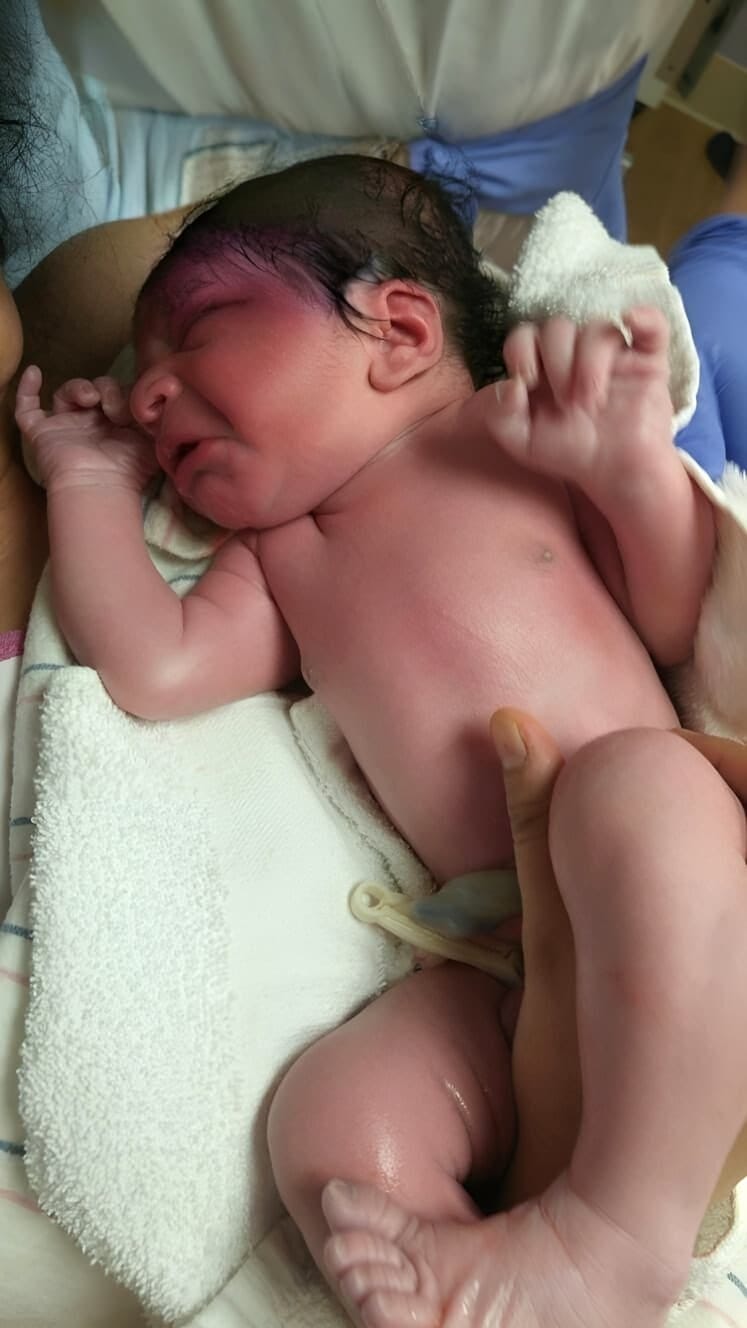
November 1, 2014. The most important launch of my life was about to happen.
Unlike the fintech products I’d spend the next decade building, this one had no rollback plan. No incident response team. No dashboard, no staged rollout, no room for error. Just my wife, hours of labor, a team of doctors, and our son waiting to enter the world.
I remember the pain on her face. The exhaustion. And the anger—much of it directed at me, which, in hindsight, was entirely fair. She was doing the actual work of bringing a human into existence. I was mostly standing there, trying not to look as terrified as I felt.
The doctors had warned me about the blood. They told me some fathers faint. I didn’t—but I came close to being overwhelmed by what I was witnessing. There was blood. There was chaos. Machines beeping, the umbilical cord, a level of physical intensity that no book, no movie, no childbirth class had prepared me for.
And somewhere in the middle of it, a question lodged itself permanently in my mind.
Why would nature make something this difficult?
If life evolved over millions of years, shouldn’t the act of creating life be more efficient by now? Why would the arrival of a child demand so much pain, so much risk, so much suffering?
That question stayed with me long after Rudra was born.
A question that took eleven years to answer
This week, a video short from Masala Lab finally gave me one.
The concept is called the obstetric dilemma, and the explanation is almost frustratingly simple.
Humans evolved larger and larger brains. At the same time, we evolved to walk upright. Two evolutionary triumphs—and they collided.
A larger brain means a larger head. Walking upright requires a pelvis optimized for balance and movement, not for childbirth. The result is what every mother, and every terrified father in a delivery room, eventually runs into: a baby with a very large head trying to pass through a relatively narrow birth canal.
From an engineering perspective, it’s a textbook system constraint. One part of the system got optimized. Another couldn’t expand without creating costs elsewhere. So evolution did what every product team eventually does—it accepted the compromise.
Humans got smarter. Childbirth got harder.
As a product manager, I found that explanation strangely familiar. Every meaningful system carries trade-offs. Optimize for security, lose convenience. Optimize for speed, sacrifice flexibility. Optimize for growth, accumulate technical debt. There are no perfect solutions—only priorities and choices.
Evolution, it turns out, is no different. The human species didn’t arrive at an elegant design. It arrived at a workable one.
The product manager’s mistake: assuming everything should be optimized
For most of my life, I carried an unspoken belief. Whether you call it nature, evolution, or God, I assumed the system would eventually converge on the optimal outcome.
Childbirth challenged that belief. The Masala Lab explanation finished it off.
Because here’s what I finally understood: evolution doesn’t optimize for comfort. It doesn’t optimize for elegance. It doesn’t optimize for fairness. It optimizes for survival—and survival is full of ugly compromises.
As product managers, we’re trained to chase the best experience. The smoothest onboarding. The fewest clicks. The least friction. But real systems rarely work that cleanly. The best products are usually just collections of carefully managed trade-offs.
So are human beings.
The difficulty of childbirth isn’t evidence of bad design. It’s evidence of competing requirements. A bigger brain gave us language, science, mathematics, music, literature, civilization—the ability to ask questions about our own existence. And the cost of that gift was paid, in large part, by mothers.
That reframing changed how I think about motherhood. Before becoming a father, I respected what mothers go through intellectually. After witnessing it, I respected it emotionally. Now, understanding the evolutionary story underneath it, I respect it on a level I didn’t have words for before.
Every mother carries the weight of one of humanity’s oldest trade-offs. Every birth is a quiet reminder that our greatest strengths arrived with extraordinary costs attached.
Looking back at Rudra’s arrival
Rudra is eleven now.
The tiny newborn from that November morning has become a curious, funny, thoughtful kid with his own ideas, opinions, and questions. And maybe that’s what makes this realization land so hard.
The very brain that lets him learn, imagine, create, and dream is part of the reason his birth was so difficult. The struggle wasn’t a flaw in the system. It was evidence of what the system was trying to build.
I see that day differently now. I understand my wife’s strength more deeply. I appreciate motherhood more profoundly. And I feel a gratitude that runs in every direction—toward the doctors, toward modern medicine, toward my wife, and toward Rudra himself.
Eleven years ago, standing in that delivery room, all I could see was pain and chaos. Today I see something else. I see the price humanity paid for becoming human. And I see a mother who paid that price so a father could meet his son.
I’m curious now—what was the moment that changed how you saw birth, evolution, or the people who brought you into the world?
Maybe you’re a parent who felt that same helpless awe in a delivery room. Maybe you study biology and see these trade-offs everywhere. Or maybe you’d never thought of childbirth as an engineering problem until right now.
Whatever it is, I’d like to hear it. Leave a comment, share your story, or tell me where you think I got it wrong. The best conversations I’ve ever had about parenthood and design didn’t come from articles like this one—they came from the honest, messy, deeply human replies underneath them.
So tell me: what trade-off shaped you?
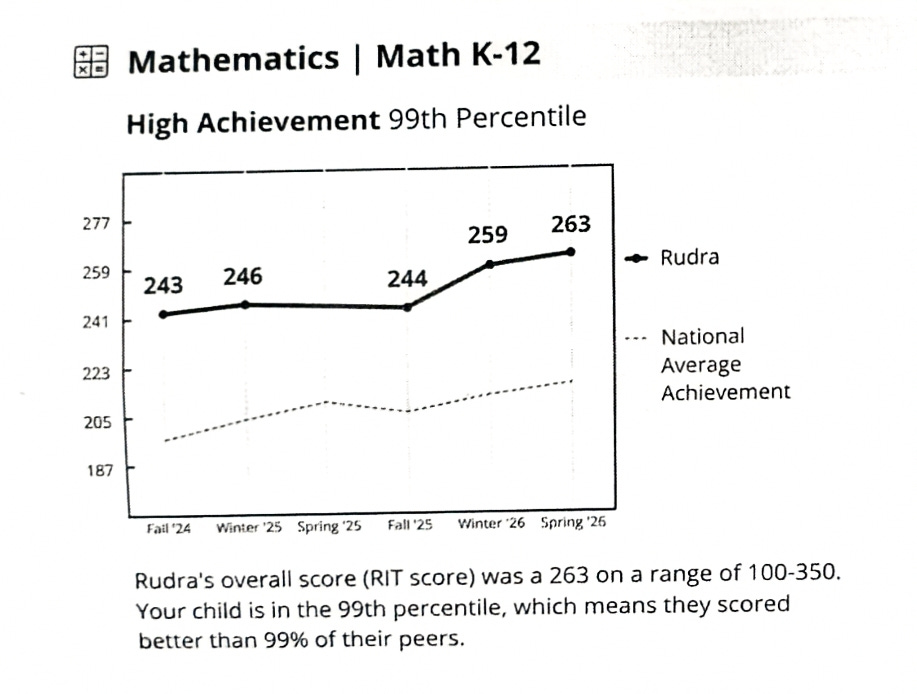
PS :That same brain that made his arrival so difficult is now the one climbing past 99% of his peers. Thank you, evolution. And thank you, Mom.
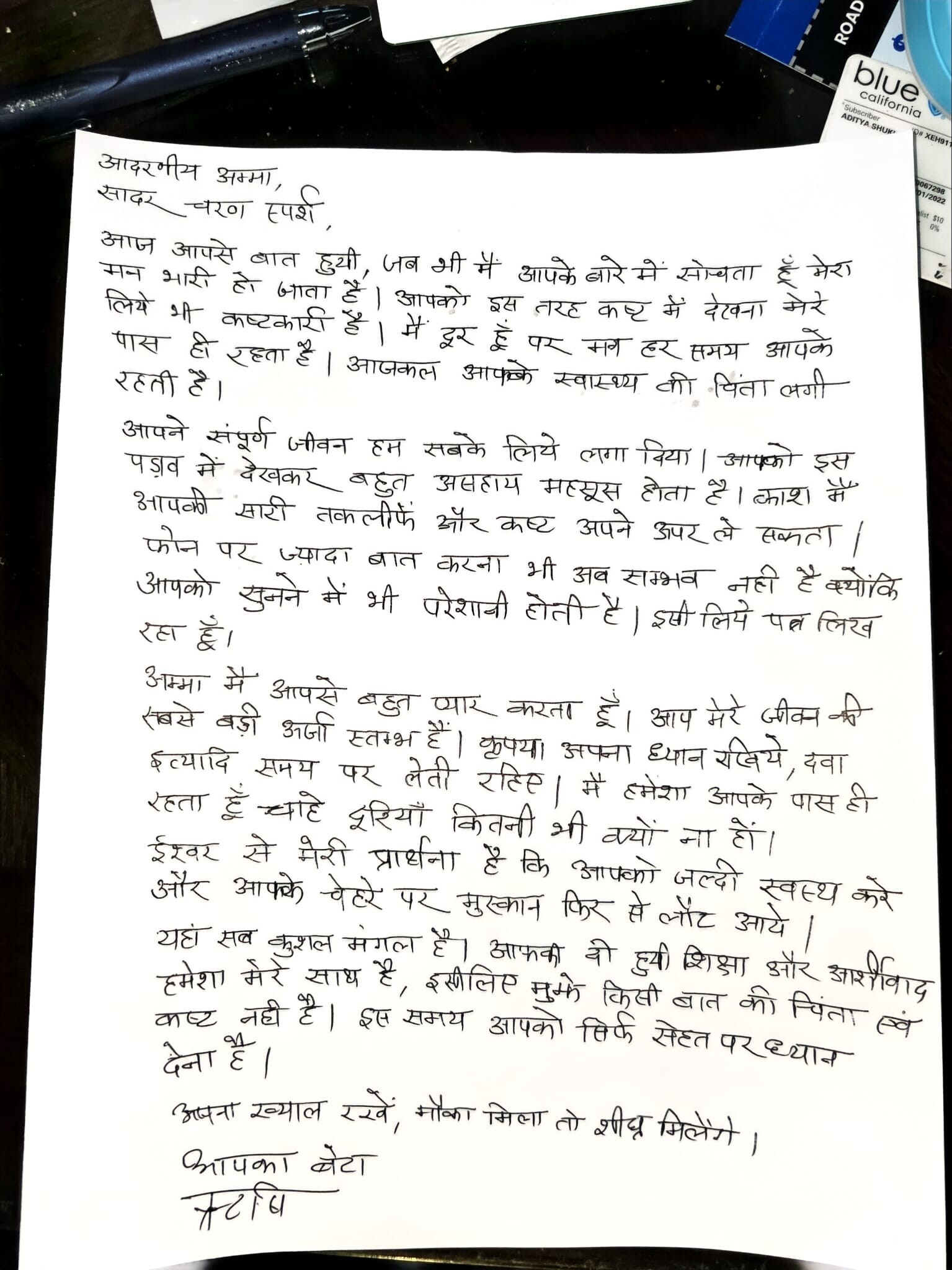
I also sent my mom a letter recently. Her health is failing, and she can no longer live with me — thanks to all the pre-existing condition clauses buried in insurance policies. Mom, I love you. Thank you for every breath I take