Last night, somewhere between a shopping complex and my car, my wallet slipped out of my life.
I didn’t even know it was gone until this morning. You know that feeling — the pat of the pocket, the second pat, the slow cold spread in your chest. Driver’s license. Credit cards. Cash. And my Global Entry card, the one document that quietly says, you belong here, you may pass. For anyone who has ever stood in an immigration line holding their breath, you know that card is not plastic. It is peace of mind, laminated.
I was sitting down to begin the ritual of loss — call the bank, cancel the cards, freeze the accounts, brace for the DMV — when my doorbell rang at 11:22 a.m.
A stranger stood there holding my wallet.
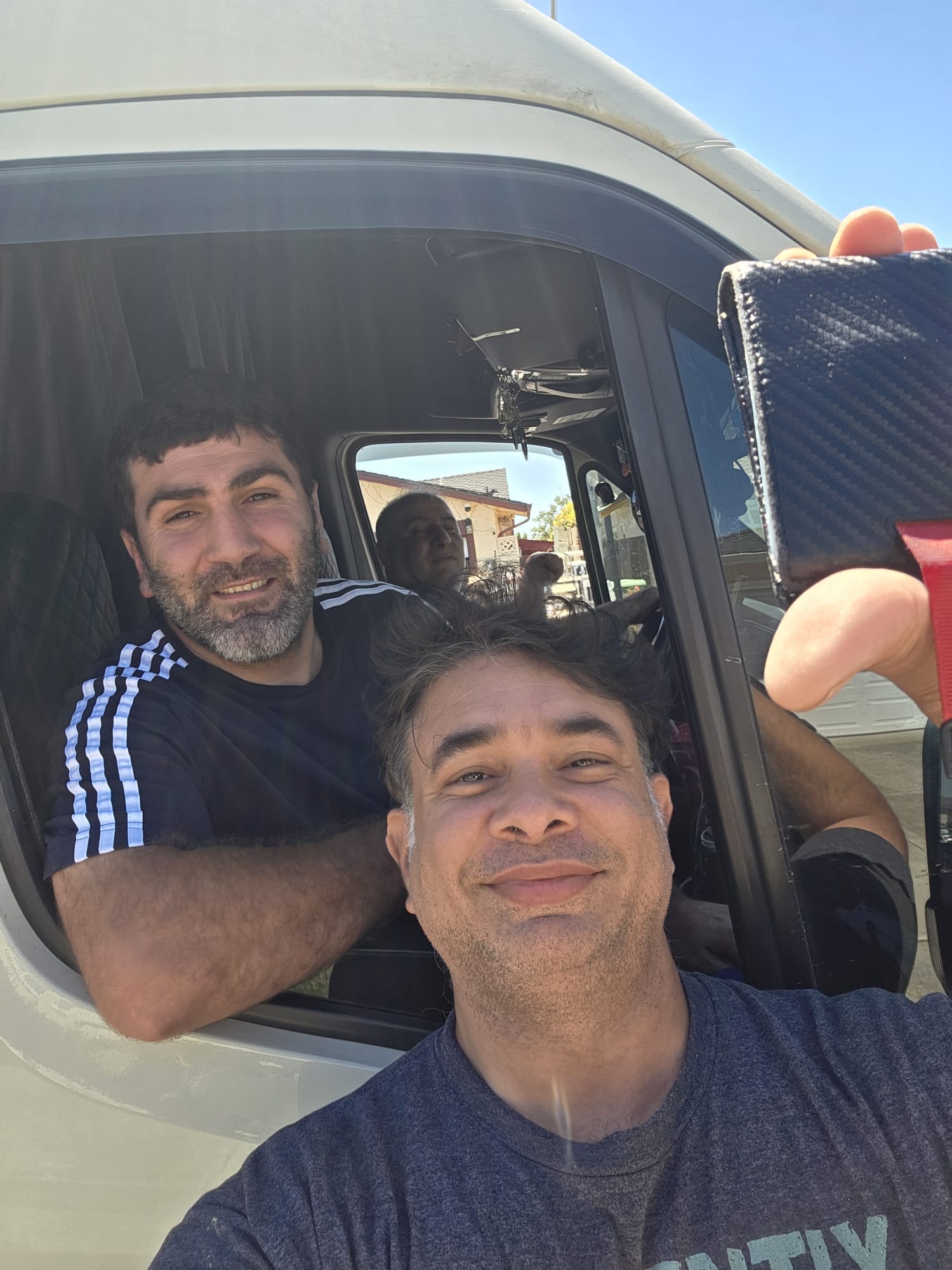
His name is Shafkat. He’s from Turkey. He had found my wallet at the shopping complex the night before, looked at the address on my California driver’s license, and this morning drove five miles — to a house he’d never seen, for a man he’d never met — to hand it back.
But here is the part that undid me.
Shafkat told me he saw the Global Entry card and thought it was my permanent resident card. He knows what immigration paperwork means. He knows what it costs — not in dollars, but in months of waiting, in sleepless nights, in the fear of starting over. He thought a stranger somewhere was about to lose something irreplaceable, and that thought would not let him rest. So he came. Not because he had to. Because he understood.
One immigrant, protecting another, across a five-mile stretch of California morning.
He insisted I check everything. Count the cards. Count the money. Please, check again. He wanted me to know that nothing was missing — that his hands had carried my life back to me untouched.
I told him: take the cash. All of it. It’s yours.
He refused. I insisted — at least take something, you drove all this way, buy yourself some food. He refused again. And again. Finally, I did what we do when gratitude has nowhere to go — I stuffed the money into his pocket and stepped back, satisfied that I had won.
He left. I went inside, lighter than I’d been all morning.
A little later, I stepped out my front door.
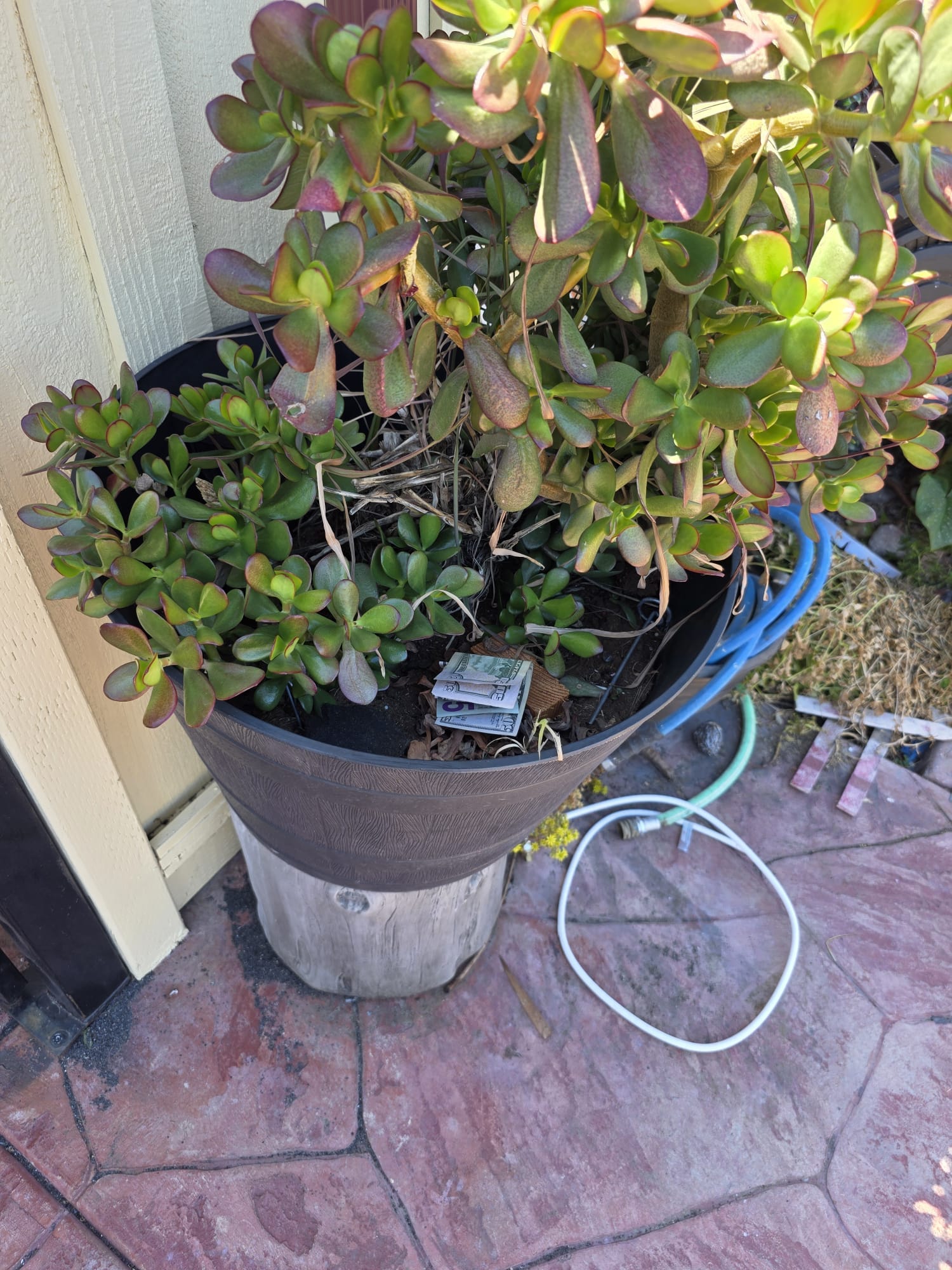
Every bill — every single one — was sitting in my planter, tucked among the leaves, waiting patiently like it had never left home.
He had taken nothing. Not a dollar, not a thank-you he didn’t ask for, not even the satisfaction of letting me repay him. He drove five miles to give, and made absolutely sure he left with empty pockets.
I work in technology. I spend my days thinking about what machines can do, and these days, machines can do almost everything. AI can find an address faster than Shafkat did. It can draft the perfect thank-you note, optimize the fastest route to my house, even write this story.
But AI did not lie awake thinking about a stranger’s immigration documents.
AI did not feel the weight of a green card it once waited for, and recognize that weight in someone else’s wallet.
AI did not refuse the money four times.
And AI most certainly did not hide cash in a planter, smiling to itself, driving away.
We talk a lot about what artificial intelligence will replace. Here’s my answer, found among the leaves outside my front door: it will never replace the five miles a stranger drives for you. It will never replace the dignity of a man who gives everything back and accepts nothing in return.
There are many things only humans do for humans.
Shafkat bhai, wherever you are — the money is still in the planter. But what you actually left there, I’m keeping forever